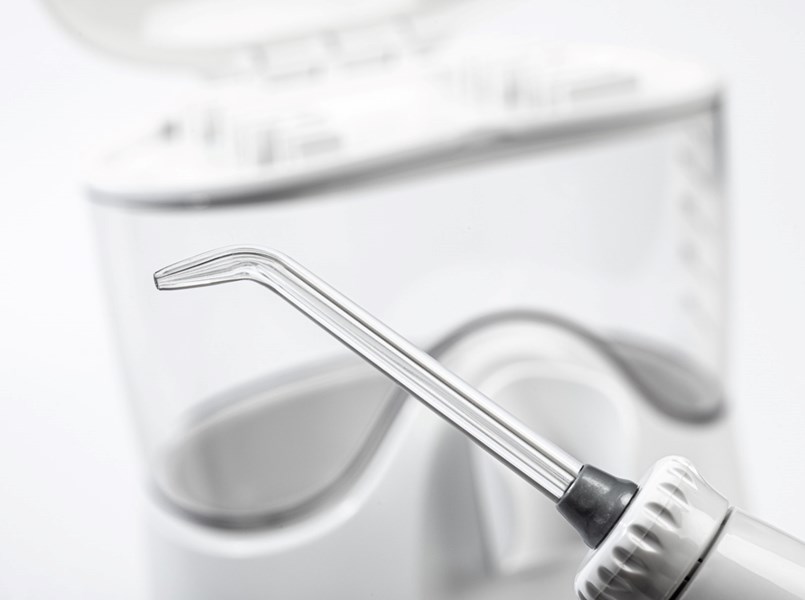
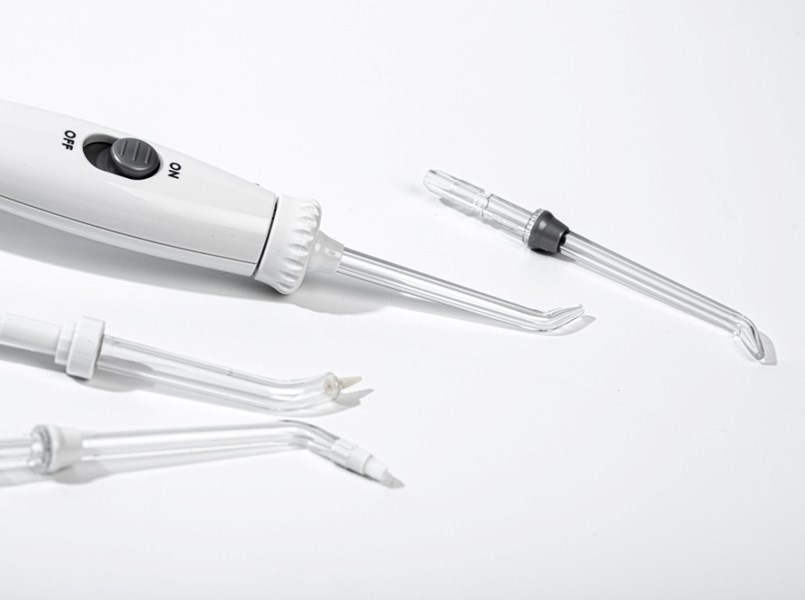
When purchasing an oral irrigator (or water flosser), it is important to consider the strength of the water jet, adjustable pressure settings, and the type of nozzles included.
Some of the most well-known brands are Waterpik, Oral-B, Philips Sonicare, and Panasonic, offering a wide range of models to suit different needs.
People with sensitive gums may prefer models with gentler water flow, while those seeking a more powerful clean might opt for devices with higher water pressure.
Portable models are ideal for travel, while countertop models typically offer more pressure settings and stronger water flow.
Also pay attention to the size of the water tank - smaller tanks may require multiple refills to clean all teeth thoroughly.
Before making a purchase, we recommend consulting your dentist to choose the oral irrigator that best suits your oral health needs.
An oral irrigator (or water flosser) can be a highly effective tool for maintaining oral hygiene, but the best way to use it - and whether it’s suitable at all - should be decided after a dental check-up and professional advice.
For each patient, we assess the condition of their teeth and gums and, based on their individual needs and habits, provide tailored guidance on how to safely and effectively incorporate a water flosser into their daily oral care routine.
So, if you're unsure whether a water flosser is the right choice for you, book an appointment with us for a consultation and personalized advice.
A water flosser is not a substitute for dental floss.
The cleaning principle of a oral irrigator and floss is different. Dental floss mechanically removes stubborn plaque that accumulates on the tooth surfaces and beneath the gum line. It literally scrapes the surface of the tooth, thereby disrupting further plaque buildup.
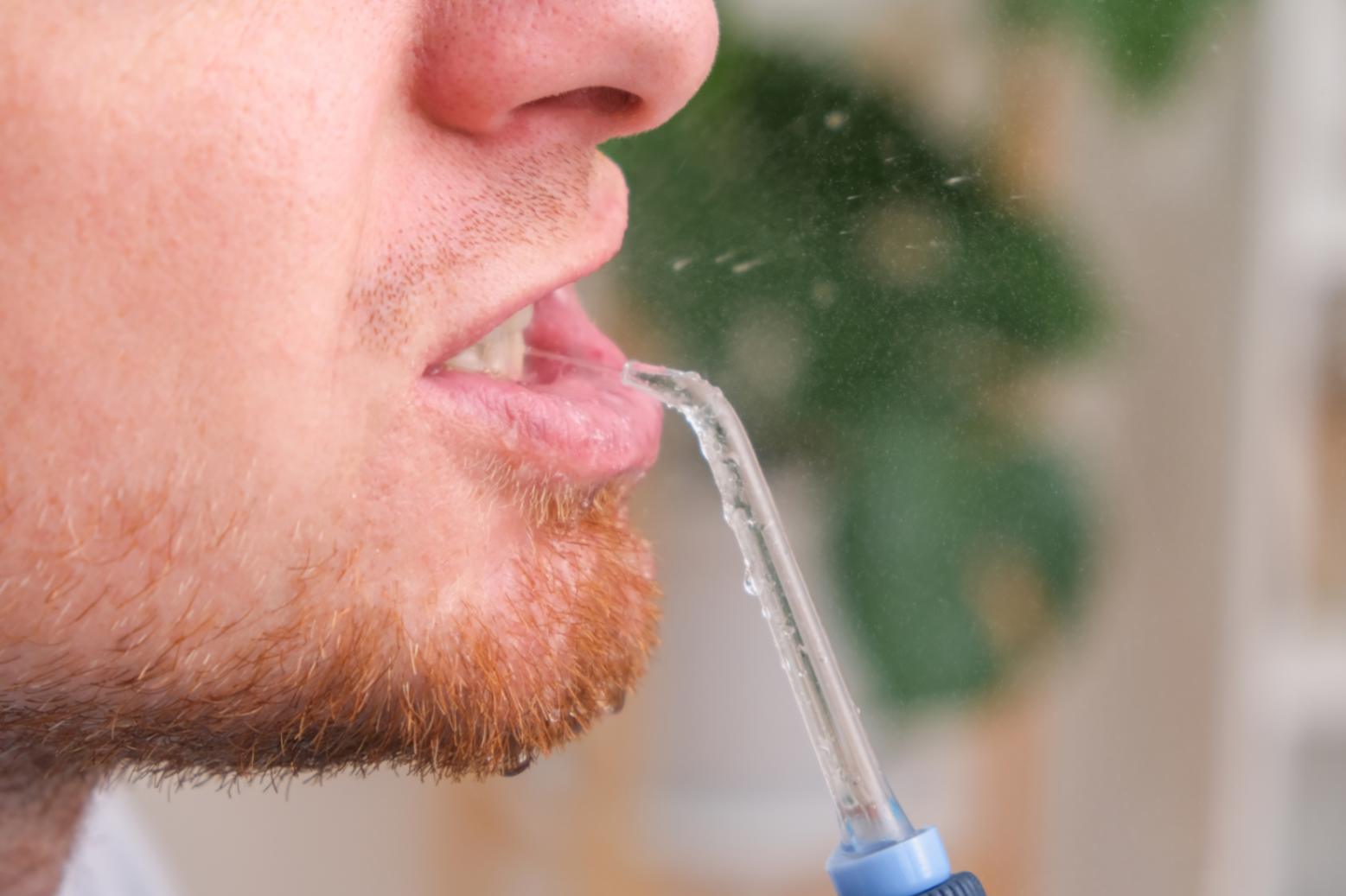
Unlike floss, a water flosser rinses away food debris and bacteria with a stream of water. The water penetrates deeper below the gum line than floss or a toothbrush can reach. A water flosser does not scrape, it rinses.
The best oral irrigator is a countertop model. Portable or travel versions are less powerful and have a much smaller water reservoir.
Countertop oral irrigators provide a stronger and more consistent water stream.
They are especially effective for cleaning hard-to-reach areas, such as around dental implants, under crowns, beneath dental bridges, and in the spaces between and around wisdom teeth.
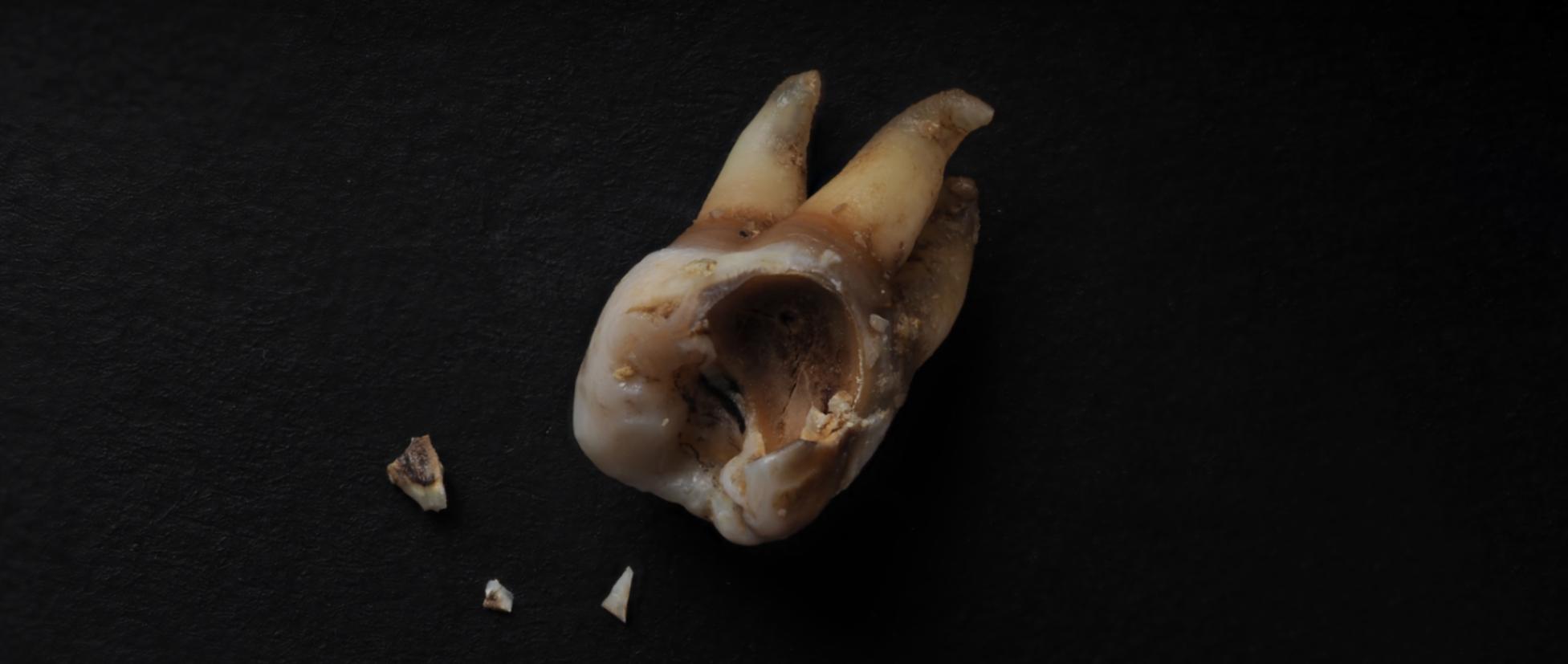
Besides incorrect positioning, one of the most common reasons for wisdom tooth extraction is tooth decay. Cavities on wisdom teeth often occur because of poor oral hygiene due to difficult access for cleaning. Regular use of an oral irrigator can help prevent this problem.